

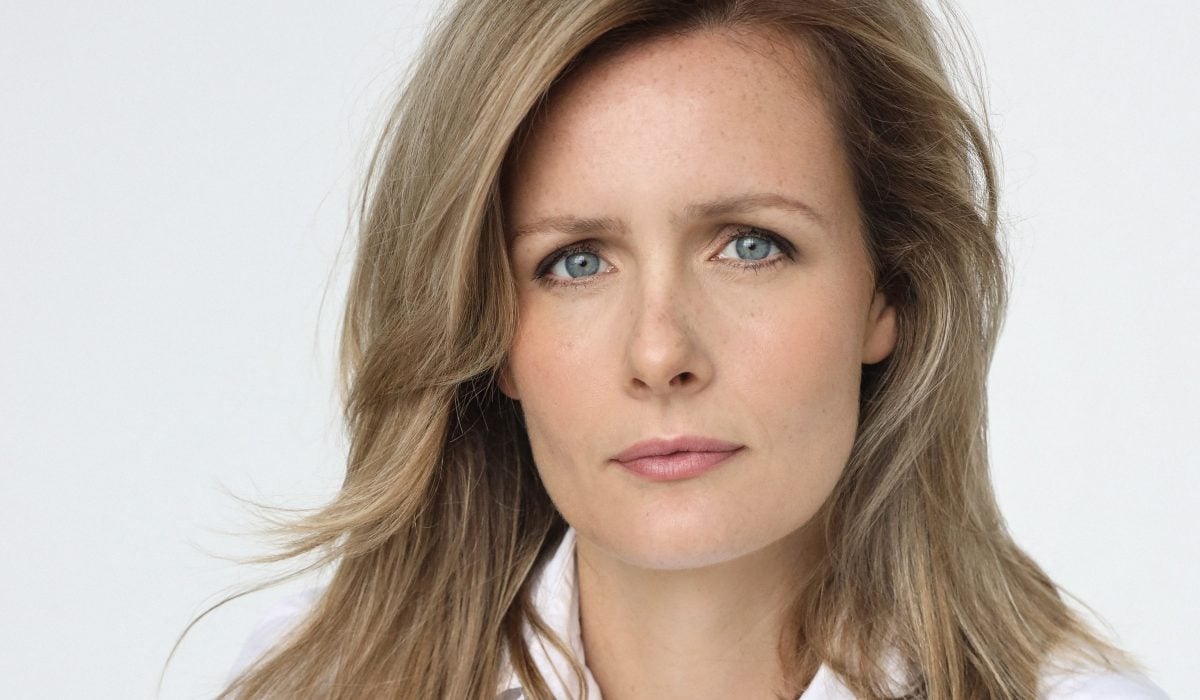
Q&A with Sarah Giles
Q&A: Director Sarah Giles on Rusalka
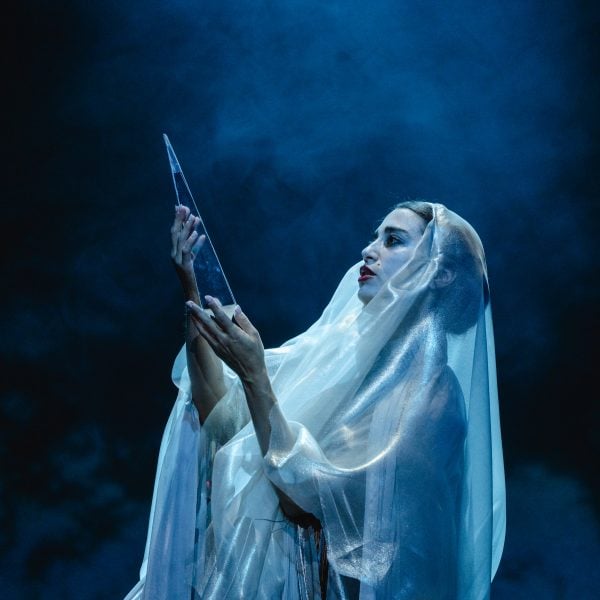
Ahead of it's Brisbane season at The Glasshouse Theatre, Sarah Giles discusses reclaiming the story of Rusalka, and why fairy tales still have something urgent to say. “It’s a real fairy tale for grown-ups,” Giles says. “Traditionally, fairy tales are vehicles for teaching us things about ourselves and the world. Rusalka definitely does that.”
By Elissa Blake


For those unfamiliar with the story, what is Rusalka about?
Sarah: It’s essentially The Little Mermaid, but much closer to the Hans Christian Andersen version than the Disney one. It’s a traditional fairy tale, but instead of a mermaid with a tail, Rusalka is a water nymph – what the Czech call a nyad. She lives underwater with her sisters and her father, Vodník, the only male in that world. It’s a very animalistic society – like a pride of lions with one dominant male – and it says a lot about social structure.
One day, a human prince swims in the lake where Rusalka lives, and in our version, unlike the romantic love-at-first-sight of The Little Mermaid, Rusalka isn’t love-struck. She’s deeply unhappy in her world. She feels like she doesn’t belong. Her father tells her that humans have souls and water spirits don’t, so she sees the prince not as a romantic figure but as a link to another way of life.
So, she makes a deal with a witch, like in Andersen’s story?
Sarah: Yes, she meets Jezibaba, a traditional witch figure that’s played beautifully in our production by Ashlyn Tymms. Instead of the typical outcast witch trope, we’ve reimagined Jezibaba as someone who exists beyond both the human and the water worlds. Rusalka makes a deal: if she gives up her transparent water gown – her physical form – she can become human. But the price is she will no longer be able to speak to humans. She sacrifices her voice.
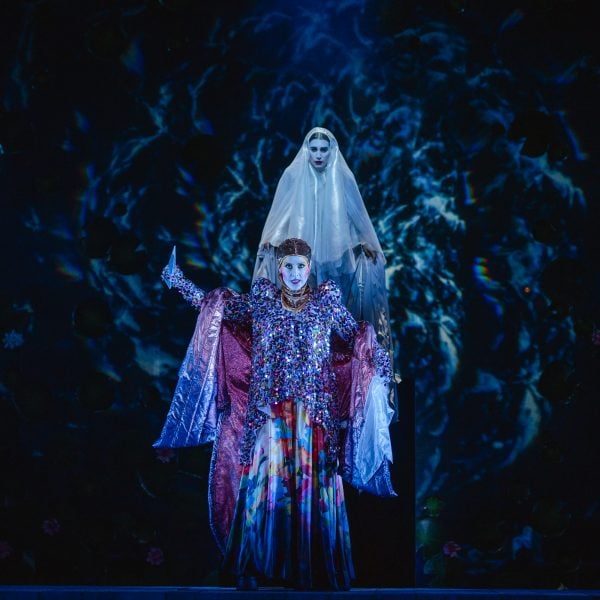
It’s a powerful metaphor, especially for what women sacrifice to belong in a world not made for them. But when she enters the human world, she finds many of the same problems, just manifesting differently. Things don’t work out, and unlike the Disney version, she’s punished. In Andersen’s tale, and in the opera, Rusalka is turned into a will-o’-the-wisp – a blue ghostly light that floats over lakes and leads humans astray. She becomes something neither human nor spirit, trapped in a netherworld. It’s tragic and poetic – it’s a fairy tale for adults.
What does the story say to adult audiences? What’s the deeper message?
Sarah: Thinking back to The Little Mermaid, I’ve always wondered what kids take from that story: that you should change yourself for a man, sacrifice your voice, your family, your world – just to win love? That idea always troubled me. So, with Rusalka, I was interested in shifting that narrative.
We made her much more active. This is a woman courageously seeking where she belongs. She’s brave, an outsider in both her worlds, searching for a place to be herself. I think the story is about the cost of that search, about identity, self-sacrifice, and whether we should have to change ourselves to fit in. It speaks to anyone who has ever felt out of place.
You’ve mentioned before that fairy tales work a bit like cautionary tales. Can you elaborate on that a little?
Sarah: There’s a great Czech folklore story about Vodník, the water spirit king. Parents would warn kids not to go too close to the lake because Vodník would drag them under. Of course, that’s not true – but it kept kids safe. Fairy tales often work that way. They teach through metaphor and fear – lessons about danger, society, morality.
In that way, Rusalka fits right in. It warns us about giving too much of ourselves away, about trying to belong in spaces that won’t accept us. And through her mistakes, we learn.
How would you describe the look and feel of the production?
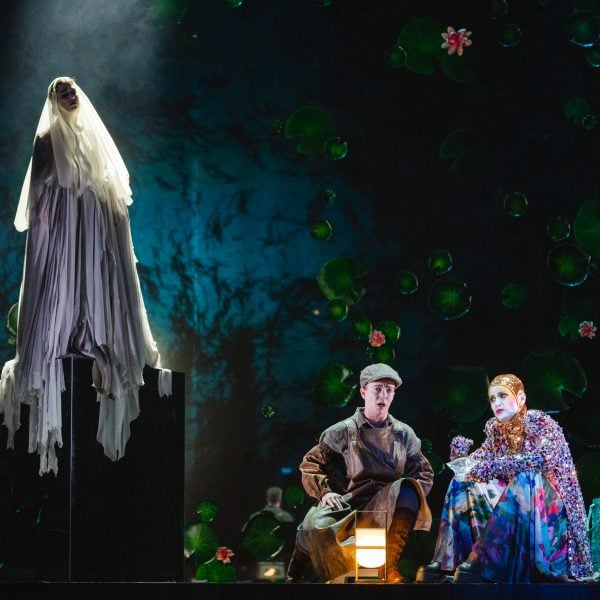
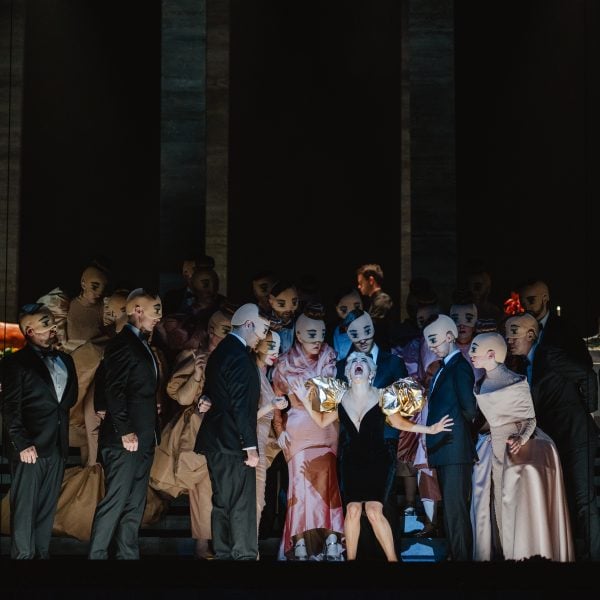
Sarah: Surreal. Dreamlike. At times nightmarish, at times beautiful. It’s visually rich and strange. There are moments that feel familiar, even timely. But it’s always layered – never just one level.
Visually, the challenge was thrilling. It’s a three-act opera, and each act takes place in a distinct world – underwater, on land, and in this mysterious netherworld where Rusalka becomes a will-o’-the-wisp. Charles [Davis], our set designer, and I had a great time dreaming up those transitions. We’ve worked with a fantastic design team – Renee Mulder (costumes), Paul Jackson (lighting), Dave Bergman (video design) and Lyndal Grant (movement). We all got to stretch creatively.
And the music? What should people expect, especially if they don’t know Dvořák?
Sarah: I love the idea that people might be hearing this music for the first time! It’s lush, it’s imaginative … sweeping. The Czech language gives it this otherworldly quality. There are elements of nature in the music – like when the chorus of sisters sing underwater. It’s incredibly evocative and powerful.
What would you like audiences to take away from this experience?
Sarah: I just hope they walk away with something to talk about. I’m not aiming for a single message. This opera is surreal, complex, layered. If it sparks a conversation, then it’s done its job.
Is it suitable for children?
Sarah: It’s not aimed at children, but they can absolutely come. My nine-year-old daughter watched the whole thing, loved it, and totally understood it. It’s darker than Cinderella, sure, but not scary in a way that’s inappropriate. My seven-year-old son, on the other hand, prefers comedy and says all operas sound like “screaming banshees” – so what can you do?
Read More
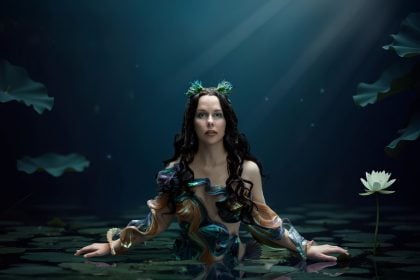
Rusalka
25 June - 4 July 2026
OPERA QUEENSLAND PRESENTS RUSALKA ★★★★★ “…the best in decades”. – Limelight ★★★★★ “Ambitiously conce...
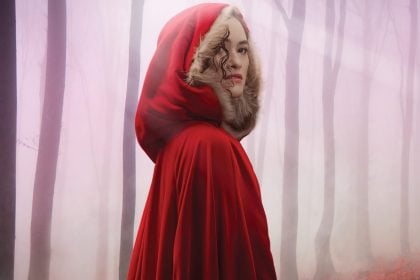
Into the Woods
11 - 21 November 2026: Brisbane | 3 & 4 December: Toowoomba
OPERA QUEENSLAND AND QUEENSLAND THEATRE COMPANY PRESENT INTO THE WOODS Brisbane tickets click here. Toowoomba tickets click here. Be careful what you ...
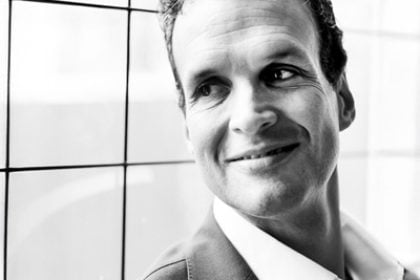
Carlos Bárcenas & John Woods: Alma Latina!
Thursday 16 - Saturday 18 July 2026
Alma Latina! explores the vibrant soul of Latin music, featuring the much-loved Colombian tenor Carlos Bárcenas in a performance that brings to lif...


